
Canon says higher procurement costs could be passed on through price increases from 2027. No camera models, regions, percentages or implementation dates have been specified.
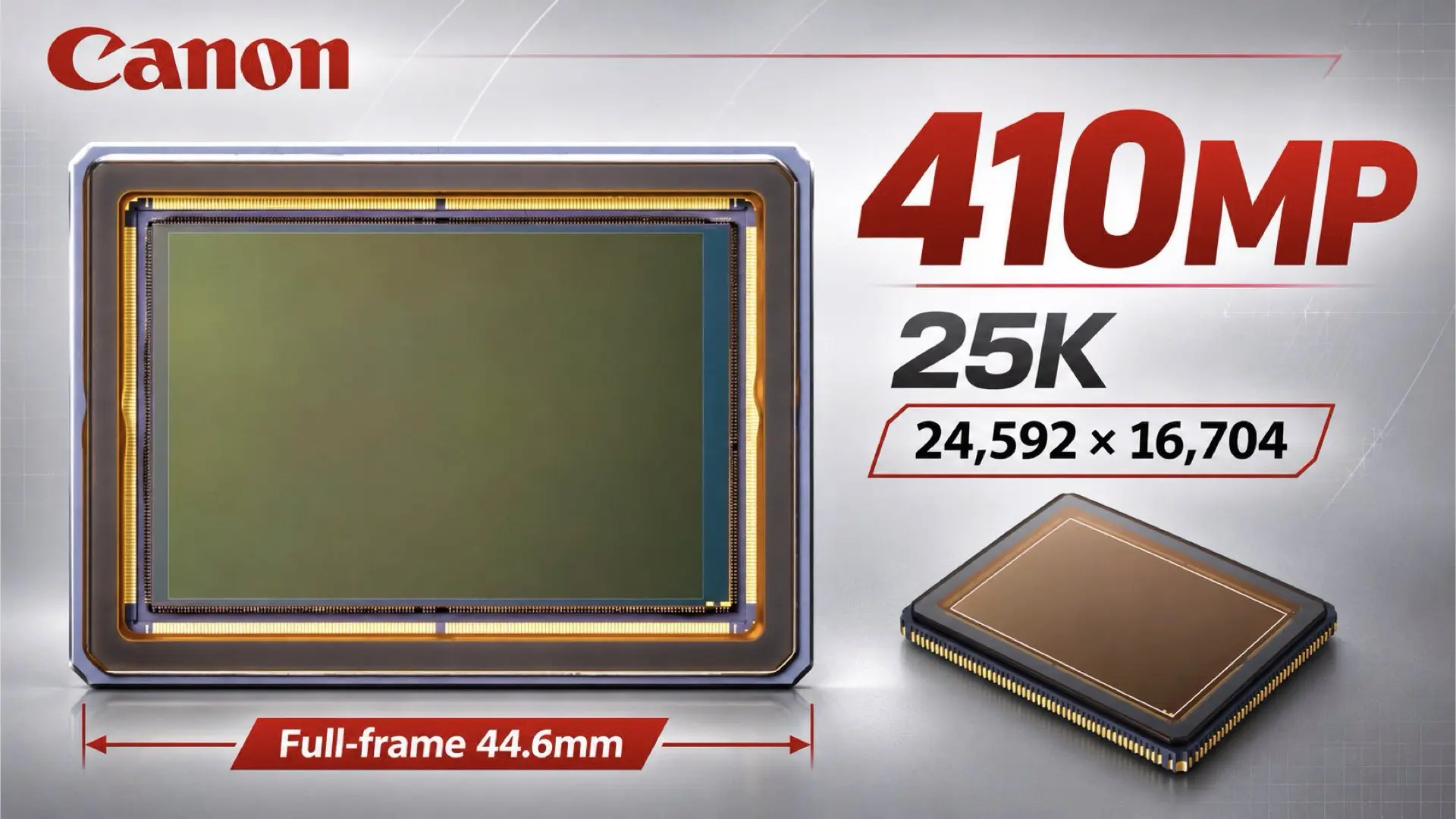
Canon’s 410MP Full-Frame Sensor Reaches Engineering-Sample Stage
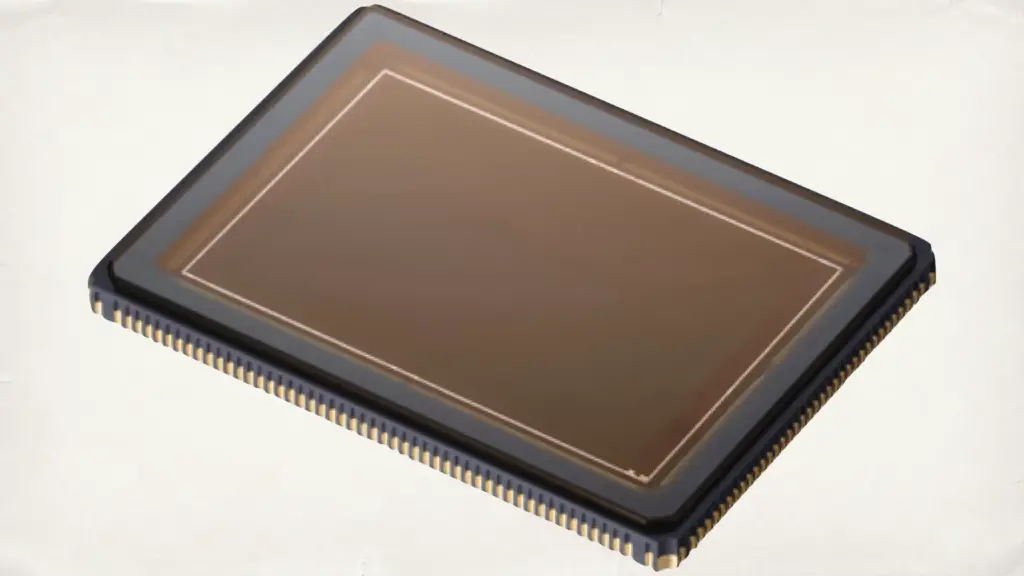
Canon’s 410-megapixel full-frame sensor has moved another step toward practical use. According to reporting by Y.M.Cinema, Canon distribution partner Macnica now lists engineering samples of the LI8030SA as available, with complete evaluation systems ready to ship.
That is a development for companies looking to build imaging equipment around the sensor, but it is not a new Canon camera announcement. Canon continues to classify the LI8030SA as under development, and mass production has not been confirmed. Prospective customers are also being directed to contact Macnica about sample availability and delivery schedules.
410 megapixels, with full-resolution capture at 8 fps
First announced in January 2025, the LI8030SA puts approximately 410 million pixels into a full-frame format. Its 24,592 × 16,704-pixel output provides roughly 24.6K horizontal resolution—close to the 25K description associated with the sensor.
The design combines back illumination with a stacked CMOS architecture. Despite its unusually high pixel count, it supports full-resolution readout at up to eight frames per second. Its published specifications include:
- Resolution: 24,592 × 16,704 pixels, approximately 410MP
- Format: Full-frame, with a 44.6mm diagonal
- Pixel pitch: 1.5μm
- Shutter: Rolling shutter
- Maximum full-resolution rate: 8 fps
- Monochrome binning mode: Approximately 100MP at 24 fps
- Output: 14-bit through a 16-lane SLVS interface
- Power consumption: Approximately 4.8W during full-resolution readout
At its maximum full-resolution rate, the sensor handles approximately 3.28 billion pixels per second. Turning that output into a working imaging system requires specialized processing hardware and interface engineering, making evaluation hardware an important part of the development process.
Industrial inspection, not an EOS preview
Macnica is highlighting semiconductor inspection as a potential application. Advanced packaging and microscopic interconnects require manufacturers to detect very small defects across relatively large areas. The sensor’s combination of resolution and coverage could help inspection systems capture more detail in a single exposure, reducing reliance on multiple overlapping images.
For Canon photographers and filmmakers, the distinction matters. The LI8030SA is not evidence of an announced 410MP EOS body, nor does its near-25K resolution mean it delivers full-resolution cinema frame rates. The 24 fps option reduces output to approximately 100MP through binning and applies to the monochrome version.
The immediate news is therefore about access for engineering teams rather than retail availability. Samples and evaluation systems offer a route toward testing and integration, while production schedules and commercial deployment remain unclear. It is a notable step for Canon’s sensor business, but not yet a product launch for camera buyers.
Source: Y.M.Cinema Magazine
